
Sign up to view this video
Join Now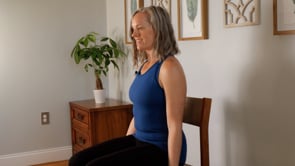
Tension and Release for Calm
About This Video
In this guided calming video, Rachel introduces a technique called tension and release.
Rachel explains that tension and release means intentionally tightening some muscles, then intentionally letting them go. Participants use breath and body awareness to practice tightening the shoulders, relaxing them, squeezing the hands into fists, and then letting the hands and shoulders soften.
The video can be done seated in a chair with feet on the floor or standing, depending on what feels comfortable and safe. Rachel reminds participants to stay lifted through the chest instead of slouching, so they can keep breathing deeply while practicing.
This video gives participants a short calming activity focused on breath, muscle tension, relaxation, body awareness, self-regulation, and noticing how the body feels after letting go.
Good For
Adults with IDD who are practicing calming down, body awareness, breathing, self-regulation, relaxation, or transitions between activities.
Caregivers looking for a short guided calming video that can support nervousness, anxiety, anger, unsettled feelings, or focus resets.
Adult day programs, home routines, or group activities about breathing, calming the body, self-regulation, mindfulness, emotional awareness, and daily coping skills.
Participants who benefit from clear repetition, gentle pacing, seated options, and a simple calming routine they can return to when needed.
How to Use This Video
Use this video when participants need a calming break, a focus reset, a transition between activities, or a short practice for nervous, unsettled, anxious, or angry feelings.
Caregivers can help participants find a comfortable seated or standing position, keep the body lifted, and follow Rachel’s cues to breathe in while tightening the shoulders or hands, then breathe out while relaxing them.
This video can be used before a harder task, after a busy activity, during a stressful moment, or as part of a daily calming routine. Participants do not need to do the practice perfectly. The goal is to notice the difference between tension and relaxation and to practice letting the body soften.
Because breathing and relaxation practices can feel different for each person, caregivers can support comfort, pacing, posture, and choice. Participants should stop or return to normal breathing if they feel dizzy, uncomfortable, or unsafe.
At the end, participants can notice whether they feel calmer, softer, more focused, or more settled, then use tension and release again whenever they need a break during the day.