
Sign up to view this video
Join Now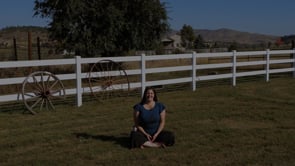
Breathing Exercises for Relaxation
About This Video
In this guided breathing video, Noelle introduces several breathing exercises that can help participants relax their bodies and minds.
The video begins with simple belly breathing. Participants place one hand on the chest and one hand on the belly, then notice how the body moves while breathing in and out. Noelle explains that deep breathing can help the body feel more relaxed.
Noelle then guides participants through flower breath, also described as baked bread breath, where participants imagine smelling something they like and breathing in through the nose before sighing out. The video also includes bumblebee breath, where participants hum or buzz on the exhale and notice the vibration in the neck or mouth.
The final practice is bubble breath. Participants imagine blowing bubbles slowly and gently, using a soft breath instead of blowing too hard. This video gives participants a practical calming activity focused on breath, relaxation, body awareness, imagination, self-regulation, and simple coping skills.
Good For
Adults with IDD who are practicing breathing, calming down, relaxation, body awareness, self-regulation, or transitions between activities.
Caregivers looking for a short guided breathing video with multiple breathing options participants can try and return to.
Adult day programs, home routines, or group activities about breathing, mindfulness, calming the body, focus, emotional awareness, and daily coping skills.
Participants who benefit from clear repetition, gentle pacing, imagery, seated options, and calming routines they can use during the day.
How to Use This Video
Use this video when participants need a calming break, a focus reset, a transition between activities, or a short breathing practice.
Caregivers can help participants find a comfortable seated position and follow Noelle’s cues. Participants can try all of the breathing exercises or choose one favorite, such as belly breathing, flower breath, bumblebee breath, or bubble breath.
This video can be used before a harder task, after a busy activity, during a stressful moment, or as part of a daily calming routine. Participants do not need to do the breathing perfectly. The goal is to notice the breath, slow down, and practice a tool that can help the body feel more settled.
Because breathing practices can feel different for each person, caregivers can support comfort, pacing, posture, and choice. Participants should stop or return to normal breathing if they feel dizzy, uncomfortable, or unsafe.
At the end, participants can notice whether they feel calmer, more focused, or more relaxed, then return to this video whenever they want to practice breathing again.