
Sign up to view this video
Join Now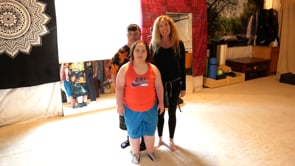
Pilates for Wrists, Neck, and Shoulders
About This Video
In this guided movement video, Melinda leads Tia and Dustin through Pilates-based upper body exercises for the wrists, elbows, neck, and shoulders.
The video begins with standing posture and gentle lower body awareness. Participants practice keeping the knees soft, waking up the ankles, using the legs to support the body, and staying lifted through the core.
Melinda then guides participants through upper body movements, including wrist circles, elbow movement, arm reaching, hand squeezing, rubbing the hands together, wrist flexion, finger movement, shoulder and neck stretching, and a self-hug. Throughout the video, participants are reminded to use their muscles, breathe, and move with awareness instead of forcing the joints.
This video gives participants a guided movement activity focused on wrist mobility, neck and shoulder awareness, posture, upper body strength, core support, joint movement, breathing, and everyday body awareness.
Good For
Adults with IDD who are practicing upper body movement, wrist mobility, neck and shoulder awareness, posture, coordination, or everyday movement skills.
Caregivers looking for a guided movement video about gentle upper body work, joint awareness, muscle use, and body positioning.
Adult day programs, home routines, or group activities about Pilates, movement, stretching, posture, body awareness, mobility, and movement safety.
Participants who benefit from visual modeling, clear reminders, repeated practice, slower pacing, and support with moving safely and confidently.
How to Use This Video
Use this video as a standalone Pilates-based movement activity for the wrists, neck, shoulders, arms, and upper body.
Caregivers can help participants choose a safe space to stand or sit and move comfortably. Participants can practice the full video or use only selected parts, such as wrist circles, hand squeezing, neck stretching, or the self-hug.
This video does not need to be completed all at once. Participants can pause often, repeat one movement, skip movements that do not feel safe, or return to the video later for more practice.
Because this activity involves standing movement, arm reaching, neck movement, shoulder movement, wrist movement, balance, and possible fatigue, caregivers should provide support, adjust the activity as needed, and stop if any movement causes pain or does not feel safe.
At the end, participants can notice how their wrists, shoulders, neck, arms, and body feel, then return to this video again to keep practicing gentle upper body movement.