
Sign up to view this video
Join Now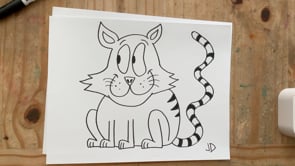
Drawing Cartoon Cats
About This Video
In this guided activity video, JD leads viewers through drawing several cartoon cats using simple shapes and black marker.
The activity begins with a basic cat made from two circles, then moves into cats with more personality and detail. Viewers practice drawing cat faces, ears, eyes, noses, mouths, paws, tails, whiskers, furry cheeks, stripes, and other creative features.
JD encourages viewers to follow along while also reminding them that their cats do not need to look exactly like his. Each drawing can have its own style, shape, expression, and personality.
This video gives viewers a relaxed, step-by-step art activity focused on creativity, practice, confidence, and having fun with drawing.
Supplies Needed
Paper
Black markers
Art binder
Three-hole punch, if adding the finished artwork to a binder
Good For
Adults with IDD who enjoy drawing, cats, animals, cartoon art, black-and-white artwork, or creative art activities.
Caregivers looking for a guided art activity with clear steps, flexible choices, and repeatable drawing practice.
Adult day programs, home routines, or group activities about art, creativity, fine motor practice, following directions, animals, and self-expression.
Viewers who benefit from calm pacing, encouragement, visual modeling, and permission to make artwork in their own style.
How to Use This Video
Use this video as a guided drawing activity for a home routine, day program, small group, or independent creative time with support nearby.
Caregivers can gather the supplies ahead of time and help viewers set up their paper horizontally, with black markers nearby. JD demonstrates multiple cat drawings, so viewers can follow the whole video, choose one favorite cat to draw, or pause and repeat sections as needed.
The drawings do not need to match JD’s exactly. Viewers can change the shape of the eyes, add stripes, name their cats, color them later, or create a whole collection of different cats.
Because this activity involves markers and optional hole punching, caregivers can provide support with setup, staying oriented on the page, using a three-hole punch, or adding the finished artwork to an art binder.
At the end, viewers are encouraged to sign their artwork, feel proud of what they created, and save it in their binder.