
Sign up to view this video
Join Now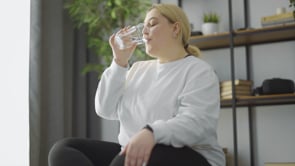
Dare to Be Aware: Water
About This Video
In this Dare to Be Aware video, Olivia talks about water and why staying hydrated matters.
Olivia explains that our bodies need water to help our muscles, brain, skin, and other body systems work well. She talks about dehydration, which means not having enough water in the body, and explains that exercise, hot weather, sweating, and being sick can all mean someone may need more water than usual.
The video also explains some signs that a person may need more water, including feeling tired, having a headache, finding it hard to concentrate, feeling sick, or noticing darker urine when using the bathroom.
Olivia then shares practical tips for drinking more water, including carrying a water bottle, setting reminders, using a water chart, adding fruit or sugar-free flavoring, drinking water before meals, using a straw, eating water-rich fruits and vegetables, sipping throughout the day, listening to thirst, and using small rewards for meeting water goals.
This video gives participants a health education activity focused on hydration, body awareness, daily routines, self-care, and learning what our bodies need to feel their best.
Good For
Adults with IDD who are learning about water, hydration, dehydration, body signals, and daily self-care routines.
Caregivers looking for a gentle health education video about drinking water and building hydration habits.
Adult day programs, home routines, or group activities about wellness, health education, body awareness, self-care, and everyday decision-making.
Participants who benefit from clear examples, practical tips, repeated viewing, and support with building healthy routines over time.
How to Use This Video
Use this video as part of the Dare to Be Aware series or as a standalone health education activity about hydration.
Caregivers can watch with participants and pause when Olivia explains dehydration, signs of needing water, or tips for drinking more throughout the day. This can help participants connect water with how their bodies feel.
This video can also be used before creating a water routine. Caregivers can help participants choose a water bottle, decorate it with stickers, set reminders, make a water chart, try fruit in water, or choose a simple daily water goal.
Because hydration needs can vary based on body size, activity, weather, illness, medication, and medical conditions, caregivers can use this video as a starting point for supportive conversation and follow any guidance from a doctor or medical provider when needed.
At the end, participants can take a sip of water, name one way they might remember to drink more water, and choose one hydration habit to practice.