
Sign up to view this video
Join Now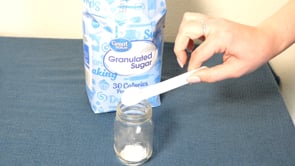
Dare to Be Aware: Sugar
About This Video
In this Dare to Be Aware video, Olivia talks about sugar and how it can affect the way our bodies feel.
Olivia explains that some drinks and foods can contain more sugar than people may realize. She compares common drinks such as orange juice, lemonade, and regular soda, then explains that soda, sweets, fast food, and many processed foods can be high in sugar.
The video introduces the idea of moderation, which means enjoying sugary foods once in a while while making healthier choices most of the time. Olivia also explains that too much sugar can affect how someone feels day to day, including their stomach, energy, sleep, and jitters.
Participants are invited to think about which foods are higher in sugar and to ask for help reading labels. The video also mentions that sugar can appear under other names, such as dextrose and sucralose, and that caregivers can help participants look for lower-sugar versions of foods like peanut butter, cereal, bread, and yogurt.
This video gives participants a health education activity focused on sugar awareness, moderation, food labels, everyday choices, and learning what our bodies need to feel their best.
Good For
Adults with IDD who are learning about sugar, drinks, snacks, food choices, moderation, and how food can affect the body.
Caregivers looking for a gentle health education video about sugar awareness and lower-sugar choices.
Adult day programs, home routines, or group activities about nutrition, food labels, body awareness, health, self-care, and everyday decision-making.
Participants who benefit from clear examples, visual comparisons, repeated viewing, and support with making healthier choices over time.
How to Use This Video
Use this video as part of the Dare to Be Aware series or as a standalone health education activity about sugar.
Caregivers can watch with participants and pause when Olivia compares different drinks or asks which foods are higher in sugar. This can help participants practice noticing that some foods and drinks have more sugar than others.
This video can also be used before a grocery trip, snack choice, meal planning conversation, or label-reading activity. Caregivers can help participants look at drinks, cereal, yogurt, peanut butter, bread, or other foods and compare lower-sugar options.
Because food choices can involve personal preferences, routines, medical needs, diabetes risk, weight, sensory needs, and family habits, caregivers can use this video as a starting point for supportive conversation rather than pressure or shame.
At the end, participants can name one drink, snack, or food they might want to enjoy in moderation, and one lower-sugar choice they might want to try more often.