
Sign up to view this video
Join Now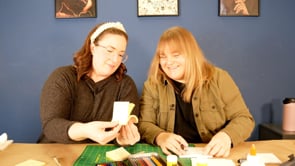
Making Flip Books
About This Video
In this craft activity, Kate and Nicole show participants how to make flip books.
The video begins by explaining that flip books are a form of do-it-yourself animation. Participants learn that animation can happen when a picture changes a little bit from page to page, then the pages are flipped quickly to show movement over time.
Kate and Nicole demonstrate different ways to make a flip book using sticky notes or loose pieces of paper clipped together. They show examples including a melting ice cream cone, a bouncing ball, a flower growing, and an inchworm moving across the page.
Throughout the video, participants are encouraged to think about planning, storytelling, small changes, movement, color, practice, and trial and error. This video gives participants a hands-on craft activity focused on drawing, sequencing, animation, creative problem solving, and making something move.
Supplies Needed
Sticky notes or small pieces of paper
Optional: cardstock or thicker paper
Pencil, marker, Sharpie, colored pencils, or other drawing materials
Optional: binder clip or paper clip for loose pages
Optional: scissors, glue, or cut paper for collage-style animation
Good For
Adults with IDD who enjoy crafts, drawing, animation, storytelling, movement, cartoons, or making something by hand.
Caregivers looking for a creative activity with simple materials, flexible steps, and room for planning, practice, and choice.
Adult day programs, home routines, or group activities about crafts, animation, sequencing, storytelling, drawing, creative expression, and problem solving.
Participants who benefit from visual modeling, step-by-step support, repeated examples, brainstorming, and permission to try again if the first version does not work.
How to Use This Video
Use this video as a guided craft activity for a home routine, day program, small group, or creative session.
Caregivers can help participants gather sticky notes or paper, drawing materials, and a clip if using loose pages. Participants can start with a small idea, such as a ball bouncing, a flower growing, a sun rising, letters moving, or a character moving across the page.
This video can be paused often while participants plan their idea, draw the first page, make small changes on each new page, test the flip book, and adjust the drawing if needed. Caregivers can support brainstorming, page order, hand positioning, drawing, flipping, pacing, and frustration tolerance.
This activity can be adjusted in many ways. Participants can use fewer pages, larger paper, simple shapes, repeated lines, color, collage, or a practice version before making a more finished flip book.
Because this activity involves small pages, drawing, sequencing, optional clips, and repeated hand movement, caregivers should provide support with setup, materials, pacing, cleanup, and any needed visual or hands-on assistance.
At the end, participants can flip through their book, show the movement to someone else, name the story they created, or try another version with a new idea.